• Skip to primary navigation
  • Skip to main content
  • Skip to primary sidebar
  • Skip to footer

ArborTech Tree Service

Southlake and Colleyville

  • Services
    • Tree Trimming
    • Stump Grinding
    • Plant Health
    • Tree Removal
    • Tree Planting
  • Testimonials
  • News
  • About
  • Contact
  • Review Us

Tree Service Tips

May 18, 2021

How to Save a Dying Tree: The Steps to Take

how to save a dying tree

Having trees in your yard is beneficial for a few reasons. They provide shade for your home or business, they provide oxygen, they offer habitats for wildlife, and much more. With so many wonderful benefits of trees in the yard, it’s essential you do what you can to keep your tree healthy at all times.

Unfortunately, there are some factors that can cause a tree to die. Whether it’s a disease, infestation, or improper care, you’ll want to know the signs of a dying tree and how to save a dying tree. When you know what signs to look for and how to prevent a tree from dying, you can save your tree before it’s too late.

For all the best advice on how to save a trick tree continue reading below!

Know the Early Signs

Do you know how to tell the difference between a dying tree and a dead tree? A dying tree isn’t the same thing as a tree that’s already dead. If the tree is in the process of dying, then it may be able to be saved. 

What’s most important is detecting the early signs of a dying tree so you can provide proper tree care to bring it back to life. Do keep in mind, a dying tree will appear lifeless, have little to no green leaves, and seem dry, but that doesn’t mean it’s already dead.

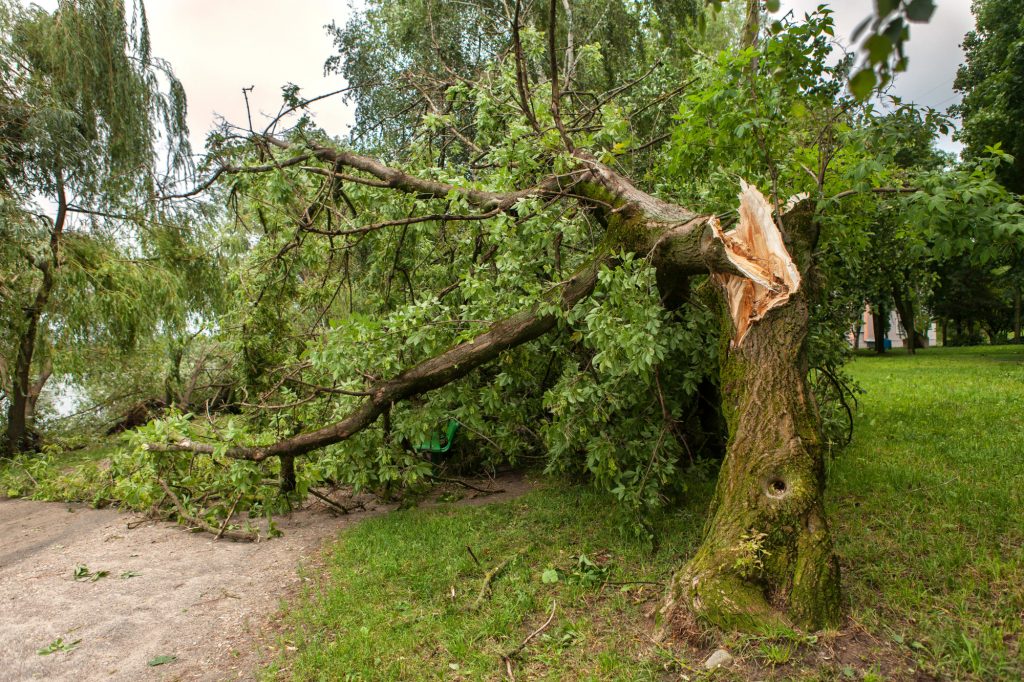
A dying tree might also have a bent trunk due to it losing its strength. You might notice cracks on the surface of the tree trunk as well. The best thing to do is to contact a local arborist to determine if the tree is still alive. 

Determine the Cause

Once you notice a tree’s dying, you’ll want to determine the cause of the problem. There are several reasons why a tree might be dying. For example, the condition of the environment might have an effect on how well the tree does there. 

If you know the type of tree, then do some research on the type of environment it thrives well in. Is there something in its current environment that could be causing it to die? Another thing to consider is a disease and insect infestations. 

If a tree falls ill from a disease, then insects could see it as an opportunity to invade. Of course, not all insects infest trees and your tree will most definitely have an insect or two on it. What you need to look out for are harmful insects such as pine beetles, emerald ash borers, and gypsy moths. 

Old age and catastrophic events could also cause a tree to die. Once you know the cause, you can then prepare to correct the problem.

Ensure Proper Nourishment

Do you know how much water your tree needs to survive? Be sure to do some research on the specific type of tree. How often does it need water and how much? 

Too much or too little water could have a negative effect on the tree. Be sure to water the tree for around two minutes. When doing so, adjust the hose nozzle to prevent soaking the soil with too much water.

The area surrounding the tree should also have a proper drainage system. If you’re not at home or your place of business enough to water your tree as it needs, then you should set your sprinkler system on a timer to do it for you. 

Use the Right Mulching Technique

Mulching can help protect your tree but only when done correctly. It’ll help nourish the soil and create a drainage system. You don’t want to lay too much mulch down, though.

You still want the tree roots to breathe. Dig about five inches deep into the soil. Lay about 1 and a half inches of mulch down. 

Then, use a rake to spread it. 

Prune Using the Correct Method

Pruning is also a method of saving a dying tree and keeping a healthy one healthy. However, you must ensure you’re using the right pruning method. Incorrect pruning can cause damage to the tree. 

Different trees and different types of diseases will require a specific pruning method. This is why it’s also more beneficial to have a professional prune and trim the tree for you.

Test and Fertilize the Soil

Testing the soil can give you a good indication of what’s missing from the tree’s health. If a certain nutrient isn’t showing up in the soil test, then you know you’ll need to add it. Fertilizing the yard may be good for the lawn, but be sure to keep a distance from the tree when doing so. 

Natural fertilizer is ideal as is the right amount since you don’t want to over-fertilize the area.

Contact Your Local Arbor Tech 

When in doubt, never hesitate to contact your local arbor tech. A professional arborist will be able t detect a dying tree from a dead one. They can also remove a dead tree or help you save a dying one and bring it back to life. 

Because caring for trees can be such a detailed and specific process, it’s a good idea to have the professionals do the hard work for you.

Know How to Save a Dying Tree Before It’s Too Late

When you follow the advice listed above, you might be able to save a dying tree before it’s too late. Learning how to save a dying tree might take some time, but we want to help. At Arbor-Tech Tree Service, we offer tree trimming, stump grinding, tree removal, tree planting, and plant health. 

Contact us today to see how we can help you save your tree!

Filed Under: Tree Service Tips

April 13, 2021

7 Tree Maintenance Tips You Need to Know

tree maintenance

Trees do much more than just sitting pretty on our lawns. They also provide shade, cut energy costs, and reduce air pollution. The current global forest cover stands at 31%, which translates to about 4.06 billion hectares. 

That sounds impressive, but it’s not enough to avert an impending climate disaster. That means we’ll have to plant even more trees to save our planet.

While most folks have no problem with planting trees, not many are great at taking care of them. Tree maintenance is just as important as planting trees because that’s the only way they can thrive and look their best. If you want your lawn to be the envy of your neighbors, then you need to have tree maintenance down pat.

Taking care of a tree isn’t as simple as watering or trimming them every once and then. Although doing so helps, there’s much more you can do to get the best from your trees. 

In today’s post, we’ll look at some tips on taking care of a tree for healthy and thriving trees.

1. Tree Trimming

You can think of tree trimming as giving your tree a haircut. Consistent tree trimming ensures your trees look lovely and healthy.

Trimming helps remove dead branches and leaves so that new ones can grow. Your trees can grow out of control, and you need to trim them to stop them from coming too close to your house. If you can’t trim them yourselves, you can always hire a gardener or a professional landscaper to do it for you.

It’s worth noting that tree branches pose a serious threat to your house during severe weather. Loose branches may break and crash into your windows or roof. Sometimes, the branches may sway from strong winds and break your windows.

2. Water Them

It’s imperative that you water your plants regularly, especially if they’re new. Water helps carry important nutrients to all parts of the tree, and It also helps young trees stand up straight. As a rule of thumb, aim for about 10 gallons of water for every inch of the trunk’s diameter.

Older trees need less water because they have expansive root systems that can draw water from beneath the ground. You can’t say the same about young trees, and you need to water them regularly to help them grow roots, so they’ll need less water.

3. Keep an Eye Out for Pests and Diseases

Pests and diseases are detrimental to your trees’ health, regardless of how well you take care of them. They could reverse all the hard work you did to keep your trees in their best shape. As such, you need to always watch for pests and diseases.

Monitor your trees for any unusual changes like spots on the leaves or fungi on their barks. If you see abnormal structural changes, there’s definitely something wrong with the plant. All these are indicators that pests or diseases might be infesting your trees.

If that’s the case, you need to seek professional plant healthcare services to identify the problem and figure out a solution. Alternatively, you can purchase an insect control formula and spray them on your trees to get rid of pests. 

However, remember to follow the instructions on the label to the letter to avoid harming your trees. Although buying pesticides is a good solution, calling in the pros is the best way to keep pests and diseases at bay.

4. Mulch

Contrary to popular thought, mulch isn’t just a decorative element for your yard. Mulch also helps trees to retain water, especially in dry regions. It also helps protect the trees from drastic temperature changes and is very beneficial for newly planted trees.

The mulch amount you’ll need for your trees depends on their size. You’ll need around three to ten feet of mulch around the tree for the best results. You’ll have to pay between $200 to $2000 for the mulch, depending on how many trees you’re mulching.

5. Soil Testing

If your trees don’t look their best despite your best efforts, it could be something with the soil. Maybe the soil lacks the optimum PH level and minerals for proper growth. Soil testing helps determines the PH level and minerals in the soil so you can take the necessary steps.

You can purchase a DIY soil-testing kit, but it may not give the most accurate results. Instead, consider hiring a professional to conduct comprehensive soil testing. You’ll have to pay slightly over a thousand dollars for professional soil testing.

6. Fertilize if Necessary

You have to fertilize your plants consistently if you want them to grow to their full potential. For young trees, you’ll have to fertilize them until you notice considerable growth. You don’t have to fertilize mature trees, but there’s no harm in doing so.

A soil test confirms what nutrients the soil lacks so you can get the right fertilizer. Fertilize plants that exhibit yellow foliage or stunted growth as soon as you can. Only use the recommended amount of fertilizer to avoid damaging the plants.

7. Keep Tree Roots Safe

Avoid driving any cars or heavy equipment over your tree’s roots. Doing so compacts the soil above the roots, which reduces available oxygen. Lack of enough oxygen may make the roots die off and kill the entire tree.

Also, avoid adding and removing soil under the tree canopies. If you want to do so, contact a licensed arborist to do it for you. That way, you can add or remove the soil without damaging the roots.

Be careful when changing soil grade, so you don’t damage the roots. Contact a reputable landscaping professional before any landscaping.

Proper Tree Maintenance Needs Commitment

Now that you know how to take care of a tree with the above tree maintenance tips, make sure you put them to practice. Remember, your trees aren’t only a decorative element; they’re also crucial for saving the earth. Take care of your trees not only for your yard’s aesthetics but for the planet’s future.

A touch of professional tree maintenance never hurts anyone. Contact us today for professional arborist services, including tree maintenance.

Filed Under: Tree Service Tips

March 1, 2021

How to Properly Measure Tree Health

tree health

Have you ever wondered how old a tree was? The United States is the home of the oldest tree in the world. The long-lived Great Bristlecone Pine in the White Mountains of California is 5,000 years old.

Of course, you want to look after the trees on your property but how do you know how they’re doing? What are the signs of a healthy tree? Read on to learn how to properly measure tree health.

Strong Leader

Inspect the structure of your tree. Most healthy trees will have one lead branch at the top of the trunk. This provides stability to the tree.

If the tree looks lopsided or isn’t straight because there are multiple leaders, it may be unstable. These competing leaders may need to be removed. Removing these branches should be done with care and it may be necessary to do it over several years.

Multiple leaders can result in splits in the tree. I split in the tree can provide harmful insects or diseases with a route to enter the tree and cause harm. These infections may need to be treated.

There are some trees for whom a strong single trunk is not the norm. These trees are perfectly healthy with several leads and indeed require them. Many fruit trees have several trunks but each should have a single lead.

Healthy Growth

A healthy tree will show healthy growth. This growth occurs in both the trunk and branches. The gap between last year’s buds and this year’s buds will give an indication of the rate of growth.

What’s a healthy growth rate? This varies from species to species so you’ll have to look up the expectations for your tree variety. The growth of the trunk can be measured by measuring the girth of the tree at the same point each year.

A tree that is not growing may be having problems. It’s very likely that the tree is struggling to get nutrition from the soil it is growing in. The tree maintenance for a tree that is not growing can include rehabilitating the roots and providing the tree with some new soil.

Branch Health

Healthy branches are a sign of a healthy tree. Check the branches for any dead wood. A dead branch will not have green under the bark if you scrape it. A dead branch will be less flexible when bent and is likely to break.

If there are any dead branches prune them back to living wood. Failing to remove deadwood as part of tree care can result in diseases infecting the living tree.

Healthy Bark

The bark surrounding the trunk and branches of your trees is a good indication of your tree’s health. It should be free from damage. Any damage will be a route into the tree for insects or diseases.

It’s wise to protect trees from any infection by covering any cracks or wounds.

Most trees will retain the bark and if any bark is coming off the tree this indicates a health problem. There are a few trees where peeling bark is a feature of the tree and is completely natural. Some maple trees, birches, and eucalyptus shed their bark and this is fine.

If fungi or moss is growing on the bark of your trees this is a sign of potential weakness. The tree may need strengthening by rehabilitating the roots.

Bare Branches

A deciduous tree is one that loses its leaves during the winter and regrows them again in the spring. It’s normal for the branches of deciduous trees to have bare branches during the winter. It’s not normal for a deciduous tree to have bare branches during the summer months so investigate any bare branches in case the branch has died.

Evergreen trees do not lose their leaves seasonally. The branches should hold leaves all year round. Sometimes, there will be bare branches where the branches have become bare.

These trees are ones that have needles rather than conventional broad leaves. Pine trees and spruces are examples of this type of tree. If the tree is short of water or nutrients it will protect itself by reducing the work it has to do to maintain itself and it does this by shedding needles.

A bare branch may be the result of pests eating the leaves. Diseases of various types can also strip leaves from the branches. Insect infestations can have the same effect.

Human impact on your trees can also result in loss of leaves. Poor pruning technique, improper use of pesticides, and careless use of weedkillers could all be possible causes.

Leaf Color

The color of leaves can be an indicator of a health problem with your trees. Normal leaf color suggests the tree is healthy.

Deciduous trees most often have the following leaf color. This is likely to be green leaves in spring and throughout the summer. In the fall, leaves turn yellow, orange, or even red.

Evergreen trees are, as the name suggests, green throughout the year.

Some trees have natural healthy variations from the standard pattern. They may have patterns or variations in color on their leaves.

If leaves turn a different color from the standard color for the season there may be a problem. This is likely to be because the tree is not getting enough water or that it’s not getting the right nutrients.

The solution is to help the roots be more effective at providing both these essentials. Improving the soil and rehabilitating the roots will help.

Stress and Disease

If a tree is not producing fruit or flowers as it should or leaves are distorted the tree may be suffering from a disease. Any irregularity such as strange growth patterns, wounds in the tree, or loss of sap could indicate disease.

Signs or wilting also indicate that the tree is suffering some stress such as under or oversupply of water. 

Tree Health Check

Check your trees for these signs of tree health. Apply the remedies or seek professional help. That way you will help your trees have a long and healthy life.

Make contact to discuss your tree’s health right now.

Filed Under: Tree Service Tips

May 6, 2020

3 Reasons to Trim Your Trees

There are many reasons to trim your trees, but we’ll cover some of the most common reasons to trim your trees as we look at moving in to the summer months. Hiring a tree service to trim your trees has many benefits.

  • You have an expert that evaluates your trees and prunes those trees in a healthy and responsible way.
  • Our team cleans your property and will leave it better than we found it.
  • There is no risk of injury. If you try yourself, you may fall, slip or otherwise injury yourself.

Tree Trimming Service

You can trim or prune almost any age of tree, even mature trees.

Reduce Shade and Wind Resistance

Here in the Southlake area, we experience high winds at different times of the year. Sometimes those are related to a storm, but other times, we just have windy days that produce high speed straight-line winds.

By trimming your trees properly the amount of wind resistance is lessened and the likelihood that your tree will be pulled out of the ground or experience damage is less.

With a tree trimmed, it also reduces shade that can allow sunlight for plants, grass and other vegetation below the trees. Allowing sun through is essential for plant life.

Removing Dead Branches

Sometimes wind or weight will cause a branch to break and be unable to receive the nutrients it needs to thrive. That branch eventually dies. As you know, with dead wood, it is more likely to break off in winds or a storm and land in your lawn, on your car, your house or even a neighbors property. Trimming your tree and removing dead branches is important for the protection of your home, property and your neighbors property. Your insurance company will even appreciate your attention to dead branches and consider it to be a reason why tree trimming is important.

Help Trees Grow

Pruning and trimming your trees allows them to grow and flourish. When your tree is trimmed properly, it provides a stronger root structure and can allow younger branches to grow. Once the tree is trimmed there are less needs to fill for the tree, so the nutrients and water it receives can then be distributed to a smaller amount of limbs, helping the newer or smaller limbs to grow faster.

ArborTech Tree Service is ready to serve you in all of your tree trimming needs. We cover Southlake, Grapevine, Frisco, Colleyville and surrounding areas. Call us today at 214-445-8319

Filed Under: Tree Service Tips, Tree Trimming

February 21, 2019

Why Stump Grinding Is Important

Why is stump grinding important? There are many reasons. Stump grinding allows the tree to be leveled without removing the roots. But, before we go in to why you should removed a grind your tree stump, we’ll explain what stump grinding is.

Stump Grinding

What is Stump Grinding?

Stump grinding is literally grinding a tree stump. Different from stump removal, stump grinding shaves the tree trunk down to an inch below the soil or more. Stump grinding is generally chosen by most homeowners because it is faster and less expensive.

Reasons to use stump grinding

There are several reasons to use a stump grinding service. Of course, if we perform a tree removal or a tree trimming service for you, we’ll offer to grind the stump. But, if you cut down a tree yourself or maybe you inherited a property with a tree stump, you may need to find a stump grinding service.

Stumps are a Hazard – Having a stump in the middle of a lawn is a hazard. Think about anyone playing or running in the lawn. The stump presents a trip hazard, which could lead to injury. In addition to being a hazard for those running or playing, they can also be a hazard to lawn equipment.

Stumps can cause new tree growth – On occasion a tree stump can sprout, resulting in many small trees growing from the stump. Since this is now growing, the sprouting trees are now pulling nutrients from other areas of the landscape.

Tree Stumps aren’t pretty
– If you want a way to kill the visual appeal of your lawn or landscape, leave a stump in it. The sight of a stump definitely isn’t appealing and really makes a lawn look unattended to.

Stumps attract insects
– If you leave a tree stump, the decaying stump and the roots take a long time to rot. While the decay takes place, it attracts beetles, termites, ants and other wood-eating creatures.

When you remove a tree, remove the stump with it. Stump grinding is one of our most common services. If you need a stump grinding service, please contact us today to schedule a free quote.

Filed Under: Tree Service Tips

  • « Go to Previous Page
  • Page 1
  • Interim pages omitted …
  • Page 5
  • Page 6
  • Page 7
  • Page 8
  • Page 9
  • Go to Next Page »

Primary Sidebar

Call Today!

214-445-8319

Contact Us

Please complete the information below.

  • Hidden
  • This field is for validation purposes and should be left unchanged.

Footer

ArborTech Tree Service

Tree Services

  • Tree Trimming
  • Stump Grinding
  • Tree Removal
  • Tree Planting
  • Plant Health

Service Areas

  • Southlake
  • Colleyville
  • Frisco
  • Grapevine
  • The Colony
  • Rockwall
  • Plano
  • Richardson
  • Allen

Recent News

5 Steps to Ensure Tree Health: A Tree Health Assessment Guide

Deep Root Fertilization: When Is It Worth the Investment?

Arbor Tech Tree Service

214-445-8319 Contact Us

Check out Arbor-Tech Tree Service on Yelp

Copyright © 2026 · Arbor-Tech Tree Service · Web Design by Key Element Media