• Skip to primary navigation
  • Skip to main content
  • Skip to primary sidebar
  • Skip to footer

ArborTech Tree Service

Southlake and Colleyville

  • Services
    • Tree Trimming
    • Stump Grinding
    • Plant Health
    • Tree Removal
    • Tree Planting
  • Testimonials
  • News
  • About
  • Contact
  • Review Us

News

July 5, 2021

How to Trim Trees the Right Way: A Complete Guide

how to trim trees

Trees are a gift. They bring beauty and shade to a yard, protect a home from elements, and even lower energy bills. But like all things, they require maintenance.

Trees need regular trimming to stay healthy and to reach their maximum potential. Few people understand that you cannot just start hacking away at random limbs on trees. Tree trimming is a science and an art.

Not trimming the tree correctly could, at best, make it look horrible and, at worst, kill it.

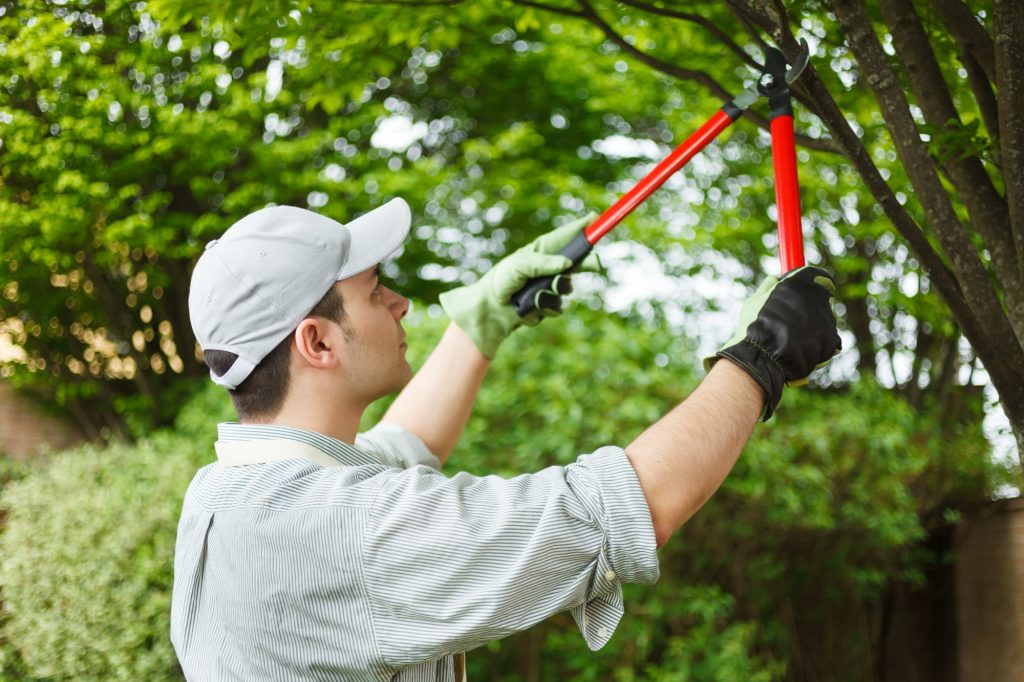
Before you fire up the chainsaw and sharpen your hedge trimmer, read this basic guide on how to trim trees

How to Trim Trees

Treat your tree as a living being. Every time the tree sustains a cut or a knick from a wayward mower, for example, it sustains a wound. This wound takes time to heal if it heals at all. 

So when you set up to trim your tree, keep in mind that you will be causing multiple purposeful wounds on the tree. Thus you want to make your cuts as purposeful and minimal as possible. 

If at any point you’re hesitant about taking care of your trees, consult a certified tree trimming service. Expert tree trimmers understand tree maintenance and how to transform dying trees into healthy trees. 

If you have a small tree or shrub, you need to prune it regularly. Doing so will help the tree produce more flowers. Plus, it will keep the tree healthier and prevent any unwanted pests from taking up residence.

Here are a few basic tree trimming tips to keep in mind: 

  • Look for branches that cross over or rub against each other. Remove one of those branches. 
  • Work from the bottom up and prune the lowest limbs. This will expose more trunk. 
  • If you’re working on a young tree, protect the main trunk from competing limbs. If you see a second limb that is lopsided, crooked, or in any way defective, remove it. 
  • Use small pruning shears to clip off “suckers” or small little branches that shoot from the base of the tree. 
  • Leave your chainsaw in the garage and opt for a tree saw or pruning shears. A chainsaw will ruin the form of your tree and cause long-term problems. 
  • Regularly remove damaged, dead, or diseased wood. 

These simple decisions will help you maintain your tree. When it’s time to take the big plunge and cut off an entire limb, avoid cutting it too close to its trunk. Look for the natural collar where the branch forks away from the tree, and make your cut outside of this bulge. 

Start your cut approximately an inch from the collar. Cut upward a third of the way through your branch. Then move out another inch and cut down to finish the cut. 

After you remove the branch, trim the branch to the collars. 

When to Trim Trees

You can trim your trees in any season, but you should do so purposefully. Each season lends itself to particular types of pruning and trimming. Here’s the breakdown. 

  • Spring: Trim back perennial plants to encourage new growth and deadhead your spent blooms. 
  • Summer: Prune trees with edibles like fruit trees by thinning out the dense canopy. Keep your clipping to a minimum. Avoid trimming trees in the summer except when you need to clip back suckers at the base of the tree. 
  • Fall: Once leaves fall from your trees, cut dead and diseased branches. Use a hand pruner as much as possible to create as small of wounds as possible. Do this work early in the season giving trees maximum time to heal.
  • Winter: Prune trees when they’re dormant in the winter. Focus on if the tree is dead, diseased, or damaged, and then prune back these limbs. 

Technically you can trim your trees in any season. If you wait until fall or winter, though, you give your trees the best opportunity to heal in their dormant state. 

Why Trim Trees

Big, shady trees have long been proven to lower energy bills. They offer a respite from the heat over your home and in your yard. Yet you still want to keep them trimmed. 

Your tree will look better and perform better when you prune it. When you trim back branches that rub against each other, you give the tree room to grow. When you open the canopy and let light and air in, you reduce the possibility of disease and maximize the possibility of growth and foliage. 

When you trim back the suckers at the base of the tree, you allow the growth to go into the trunk. This ultimately creates a stronger tree that can withstand storms and strong winds. 

Trimming your trees also makes for a safer environment. Trimmed trees are stronger, healthier trees. Diseased, dying trees have weak branches, hanging precariously and waiting to fall on unsuspecting people, buildings, and vehicles. 

You also want to keep your trees trimmed if they’re growing too close to power lines. If you do not trim your tree, it could cause electrical grid issues not to mention a safety hazard for people walking by the tree. 

Avoid Danger, Minimize Risk

Professional tree trimmers cost money. Thus, you may be tempted to trim your own tree or hire a do-it-yourselfer that lives in your neighborhood. 

Remember that non-certified trimmers may save you money, but they often do not have proper insurance or training. They can actually cost more in the end when you have to pay to have a damaged tree removed.

Do not give in to the temptation to just wing it when you trim your tree. Call a professional arborist that is licensed, insured, and bonded. These tree pros know how to trim trees. 

If you need your trees trimmed or any other arbor services performed, contact us. We are your local tree expert and would love to help.
Filed Under: Tree Trimming

June 10, 2021

Tree Pruning- 7 Reasons Why Your Property Needs It

tree pruning

Having mature trees across your property is usually a huge plus for most people. They provide shade (even lowering energy bills), look beautiful, and can increase the overall value of the property. 

But, as with everything, there can be downsides to having mature trees as well. 

Luckily, most potential problems can be resolved by a simple tree pruning service. A professional arborist can come in and remove branches to help solve your problems, leaving you (and the tree) only the benefits. It’s an often forgotten task of a homeowner, so we’ve created a guide for seven of the reasons you may need to hire professional tree trimmers. 

1. Boost Curb Appeal

When you pull up to a home and see a huge, mature tree in the front you’ll likely have one of two reactions. First, you’ll think it’s beautiful and stately. Second, you’ll think the whole place looks rundown and even spooky. Chances are a little tree care can change you from the second reaction to the first. 

Dead branches, missing leaves, and bald spots can make a tree look unkempt and deteriorating. Simply trimming off those areas can change the entire look of a tree and bring up the curb appeal of the home. 

A professional tree pruning service will also be able to help you shape the tree to look the way you’d like and encourage it to continue to grow that way. 

2. Improve Health

Those dead branches or missing areas don’t just look bad, they can also be a sign of an unhealthy tree as well. 

Taking off the diseased and dead branches will help the tree focus its energy on better areas. This will allow it to replenish and fully recover. Without all of those damaged spots, the tree won’t be wasting resources making it more effective. 

These pruning jobs are best done by a professional who knows the signs and symptoms of tree disease. They’ll know exactly which branches to cut off and which should be left. Over-pruning or taking the wrong areas can have the opposite effect that you’re looking for. 

3. Enhance Production

Along a similar vein, if your tree is having a hard time producing new growth pruning can be a great way to jumpstart that process and get things moving again. 

This is especially true for fruit trees that have stopped producing new fruits. Trimming back the branches, even if not dead or diseased, will stimulate new growth which leads to more fruit. Professional orchards use this technique every year to help make sure they’re getting as much fruit as possible. 

But be sure to consult with professional tree trimmers to make sure the task is done the right way and you don’t cause harm to your tree. 

4. Clear a Path 

While there are ways to help encourage your tree to grow in a specific direction and pattern, there’s no way to guarantee it will follow your lead. If a tree grows over a path, it’s important to keep up with pruning and trimming so you can move through easily. 

The more you trim to avoid the paths, hopefully, the less it will continue to grow there and you can avoid any major problems. 

This is also important when your tree is growing over the road or sidewalk. Most cities or neighborhoods will have rules in place for how far a tree can overhang, trimming keeps you within those rules and helps avoid accidents. 

5. Expand Sunlight 

Many people enjoy their trees because of how much shade they provide for the yard. They cool down the space by blocking the sunlight and from any slight breeze that moves through. 

But sometimes they can block too much of the sunlight and you miss that natural light, either inside or out. 

A tree trimming service can help you find that happy medium for your home. They can cut enough off to allow for more light to shine through but not everything to take away all of your shade. It’s possible to have both things and professional tree pruning is the way to get it. 

6. Increase Safety 

Mature trees are really extraordinary but they can also be quite dangerous if not taken care of properly. They can easily grow to be a threat to people and structures in their surrounding area. 

Tree pruning services will help you locate the branches that pose the biggest threat of falling. They can also help try to correct a tree that is growing heavily on one side and beginning to lean. These are great ways to minimize the threat a big tree can be. 

It’s also a good idea to trim a tree for better visibility as a safety precaution as well. 

7. Prevent Damage 

The bigger a tree grows, the bigger its roots do as well. These are another way that a tree can pose a big threat to structures, especially foundations and sidewalks.

They grow underneath and can eventually break up the concrete. Once that happens it will have to be replaced, which can be a huge expense and problem for homeowners. But trimming a tree back can sometimes counteract that large growth and divert the energy to growing new branches instead of the roots. 

Avoiding this kind of problem will save you so much stress, money, and energy in the long run. Any effort is worth it in the long run. 

Time for Tree Pruning   

There is nothing like sitting under the Sade of a big tree in your yard enjoying the scenery. When you consistently handle tree pruning, you’ll be able to enjoy your mature trees for years and years to come. 

Tree trimming services are best done at least once every couple of years, if not annually. But it’s a good idea to keep an eye on the tree to spot any potential problems and handle them as quickly as possible before any huge damage can be done. 

If you’re interested in learning more about our tree pruning services, contact us today to schedule a consultation! 

Filed Under: Tree Trimming

May 18, 2021

How to Save a Dying Tree: The Steps to Take

how to save a dying tree

Having trees in your yard is beneficial for a few reasons. They provide shade for your home or business, they provide oxygen, they offer habitats for wildlife, and much more. With so many wonderful benefits of trees in the yard, it’s essential you do what you can to keep your tree healthy at all times.

Unfortunately, there are some factors that can cause a tree to die. Whether it’s a disease, infestation, or improper care, you’ll want to know the signs of a dying tree and how to save a dying tree. When you know what signs to look for and how to prevent a tree from dying, you can save your tree before it’s too late.

For all the best advice on how to save a trick tree continue reading below!

Know the Early Signs

Do you know how to tell the difference between a dying tree and a dead tree? A dying tree isn’t the same thing as a tree that’s already dead. If the tree is in the process of dying, then it may be able to be saved. 

What’s most important is detecting the early signs of a dying tree so you can provide proper tree care to bring it back to life. Do keep in mind, a dying tree will appear lifeless, have little to no green leaves, and seem dry, but that doesn’t mean it’s already dead.

A dying tree might also have a bent trunk due to it losing its strength. You might notice cracks on the surface of the tree trunk as well. The best thing to do is to contact a local arborist to determine if the tree is still alive. 

Determine the Cause

Once you notice a tree’s dying, you’ll want to determine the cause of the problem. There are several reasons why a tree might be dying. For example, the condition of the environment might have an effect on how well the tree does there. 

If you know the type of tree, then do some research on the type of environment it thrives well in. Is there something in its current environment that could be causing it to die? Another thing to consider is a disease and insect infestations. 

If a tree falls ill from a disease, then insects could see it as an opportunity to invade. Of course, not all insects infest trees and your tree will most definitely have an insect or two on it. What you need to look out for are harmful insects such as pine beetles, emerald ash borers, and gypsy moths. 

Old age and catastrophic events could also cause a tree to die. Once you know the cause, you can then prepare to correct the problem.

Ensure Proper Nourishment

Do you know how much water your tree needs to survive? Be sure to do some research on the specific type of tree. How often does it need water and how much? 

Too much or too little water could have a negative effect on the tree. Be sure to water the tree for around two minutes. When doing so, adjust the hose nozzle to prevent soaking the soil with too much water.

The area surrounding the tree should also have a proper drainage system. If you’re not at home or your place of business enough to water your tree as it needs, then you should set your sprinkler system on a timer to do it for you. 

Use the Right Mulching Technique

Mulching can help protect your tree but only when done correctly. It’ll help nourish the soil and create a drainage system. You don’t want to lay too much mulch down, though.

You still want the tree roots to breathe. Dig about five inches deep into the soil. Lay about 1 and a half inches of mulch down. 

Then, use a rake to spread it. 

Prune Using the Correct Method

Pruning is also a method of saving a dying tree and keeping a healthy one healthy. However, you must ensure you’re using the right pruning method. Incorrect pruning can cause damage to the tree. 

Different trees and different types of diseases will require a specific pruning method. This is why it’s also more beneficial to have a professional prune and trim the tree for you.

Test and Fertilize the Soil

Testing the soil can give you a good indication of what’s missing from the tree’s health. If a certain nutrient isn’t showing up in the soil test, then you know you’ll need to add it. Fertilizing the yard may be good for the lawn, but be sure to keep a distance from the tree when doing so. 

Natural fertilizer is ideal as is the right amount since you don’t want to over-fertilize the area.

Contact Your Local Arbor Tech 

When in doubt, never hesitate to contact your local arbor tech. A professional arborist will be able t detect a dying tree from a dead one. They can also remove a dead tree or help you save a dying one and bring it back to life. 

Because caring for trees can be such a detailed and specific process, it’s a good idea to have the professionals do the hard work for you.

Know How to Save a Dying Tree Before It’s Too Late

When you follow the advice listed above, you might be able to save a dying tree before it’s too late. Learning how to save a dying tree might take some time, but we want to help. At Arbor-Tech Tree Service, we offer tree trimming, stump grinding, tree removal, tree planting, and plant health. 

Contact us today to see how we can help you save your tree!

Filed Under: Tree Service Tips

April 13, 2021

7 Tree Maintenance Tips You Need to Know

tree maintenance

Trees do much more than just sitting pretty on our lawns. They also provide shade, cut energy costs, and reduce air pollution. The current global forest cover stands at 31%, which translates to about 4.06 billion hectares. 

That sounds impressive, but it’s not enough to avert an impending climate disaster. That means we’ll have to plant even more trees to save our planet.

While most folks have no problem with planting trees, not many are great at taking care of them. Tree maintenance is just as important as planting trees because that’s the only way they can thrive and look their best. If you want your lawn to be the envy of your neighbors, then you need to have tree maintenance down pat.

Taking care of a tree isn’t as simple as watering or trimming them every once and then. Although doing so helps, there’s much more you can do to get the best from your trees. 

In today’s post, we’ll look at some tips on taking care of a tree for healthy and thriving trees.

1. Tree Trimming

You can think of tree trimming as giving your tree a haircut. Consistent tree trimming ensures your trees look lovely and healthy.

Trimming helps remove dead branches and leaves so that new ones can grow. Your trees can grow out of control, and you need to trim them to stop them from coming too close to your house. If you can’t trim them yourselves, you can always hire a gardener or a professional landscaper to do it for you.

It’s worth noting that tree branches pose a serious threat to your house during severe weather. Loose branches may break and crash into your windows or roof. Sometimes, the branches may sway from strong winds and break your windows.

2. Water Them

It’s imperative that you water your plants regularly, especially if they’re new. Water helps carry important nutrients to all parts of the tree, and It also helps young trees stand up straight. As a rule of thumb, aim for about 10 gallons of water for every inch of the trunk’s diameter.

Older trees need less water because they have expansive root systems that can draw water from beneath the ground. You can’t say the same about young trees, and you need to water them regularly to help them grow roots, so they’ll need less water.

3. Keep an Eye Out for Pests and Diseases

Pests and diseases are detrimental to your trees’ health, regardless of how well you take care of them. They could reverse all the hard work you did to keep your trees in their best shape. As such, you need to always watch for pests and diseases.

Monitor your trees for any unusual changes like spots on the leaves or fungi on their barks. If you see abnormal structural changes, there’s definitely something wrong with the plant. All these are indicators that pests or diseases might be infesting your trees.

If that’s the case, you need to seek professional plant healthcare services to identify the problem and figure out a solution. Alternatively, you can purchase an insect control formula and spray them on your trees to get rid of pests. 

However, remember to follow the instructions on the label to the letter to avoid harming your trees. Although buying pesticides is a good solution, calling in the pros is the best way to keep pests and diseases at bay.

4. Mulch

Contrary to popular thought, mulch isn’t just a decorative element for your yard. Mulch also helps trees to retain water, especially in dry regions. It also helps protect the trees from drastic temperature changes and is very beneficial for newly planted trees.

The mulch amount you’ll need for your trees depends on their size. You’ll need around three to ten feet of mulch around the tree for the best results. You’ll have to pay between $200 to $2000 for the mulch, depending on how many trees you’re mulching.

5. Soil Testing

If your trees don’t look their best despite your best efforts, it could be something with the soil. Maybe the soil lacks the optimum PH level and minerals for proper growth. Soil testing helps determines the PH level and minerals in the soil so you can take the necessary steps.

You can purchase a DIY soil-testing kit, but it may not give the most accurate results. Instead, consider hiring a professional to conduct comprehensive soil testing. You’ll have to pay slightly over a thousand dollars for professional soil testing.

6. Fertilize if Necessary

You have to fertilize your plants consistently if you want them to grow to their full potential. For young trees, you’ll have to fertilize them until you notice considerable growth. You don’t have to fertilize mature trees, but there’s no harm in doing so.

A soil test confirms what nutrients the soil lacks so you can get the right fertilizer. Fertilize plants that exhibit yellow foliage or stunted growth as soon as you can. Only use the recommended amount of fertilizer to avoid damaging the plants.

7. Keep Tree Roots Safe

Avoid driving any cars or heavy equipment over your tree’s roots. Doing so compacts the soil above the roots, which reduces available oxygen. Lack of enough oxygen may make the roots die off and kill the entire tree.

Also, avoid adding and removing soil under the tree canopies. If you want to do so, contact a licensed arborist to do it for you. That way, you can add or remove the soil without damaging the roots.

Be careful when changing soil grade, so you don’t damage the roots. Contact a reputable landscaping professional before any landscaping.

Proper Tree Maintenance Needs Commitment

Now that you know how to take care of a tree with the above tree maintenance tips, make sure you put them to practice. Remember, your trees aren’t only a decorative element; they’re also crucial for saving the earth. Take care of your trees not only for your yard’s aesthetics but for the planet’s future.

A touch of professional tree maintenance never hurts anyone. Contact us today for professional arborist services, including tree maintenance.

Filed Under: Tree Service Tips

March 1, 2021

How to Properly Measure Tree Health

tree health

Have you ever wondered how old a tree was? The United States is the home of the oldest tree in the world. The long-lived Great Bristlecone Pine in the White Mountains of California is 5,000 years old.

Of course, you want to look after the trees on your property but how do you know how they’re doing? What are the signs of a healthy tree? Read on to learn how to properly measure tree health.

Strong Leader

Inspect the structure of your tree. Most healthy trees will have one lead branch at the top of the trunk. This provides stability to the tree.

If the tree looks lopsided or isn’t straight because there are multiple leaders, it may be unstable. These competing leaders may need to be removed. Removing these branches should be done with care and it may be necessary to do it over several years.

Multiple leaders can result in splits in the tree. I split in the tree can provide harmful insects or diseases with a route to enter the tree and cause harm. These infections may need to be treated.

There are some trees for whom a strong single trunk is not the norm. These trees are perfectly healthy with several leads and indeed require them. Many fruit trees have several trunks but each should have a single lead.

Healthy Growth

A healthy tree will show healthy growth. This growth occurs in both the trunk and branches. The gap between last year’s buds and this year’s buds will give an indication of the rate of growth.

What’s a healthy growth rate? This varies from species to species so you’ll have to look up the expectations for your tree variety. The growth of the trunk can be measured by measuring the girth of the tree at the same point each year.

A tree that is not growing may be having problems. It’s very likely that the tree is struggling to get nutrition from the soil it is growing in. The tree maintenance for a tree that is not growing can include rehabilitating the roots and providing the tree with some new soil.

Branch Health

Healthy branches are a sign of a healthy tree. Check the branches for any dead wood. A dead branch will not have green under the bark if you scrape it. A dead branch will be less flexible when bent and is likely to break.

If there are any dead branches prune them back to living wood. Failing to remove deadwood as part of tree care can result in diseases infecting the living tree.

Healthy Bark

The bark surrounding the trunk and branches of your trees is a good indication of your tree’s health. It should be free from damage. Any damage will be a route into the tree for insects or diseases.

It’s wise to protect trees from any infection by covering any cracks or wounds.

Most trees will retain the bark and if any bark is coming off the tree this indicates a health problem. There are a few trees where peeling bark is a feature of the tree and is completely natural. Some maple trees, birches, and eucalyptus shed their bark and this is fine.

If fungi or moss is growing on the bark of your trees this is a sign of potential weakness. The tree may need strengthening by rehabilitating the roots.

Bare Branches

A deciduous tree is one that loses its leaves during the winter and regrows them again in the spring. It’s normal for the branches of deciduous trees to have bare branches during the winter. It’s not normal for a deciduous tree to have bare branches during the summer months so investigate any bare branches in case the branch has died.

Evergreen trees do not lose their leaves seasonally. The branches should hold leaves all year round. Sometimes, there will be bare branches where the branches have become bare.

These trees are ones that have needles rather than conventional broad leaves. Pine trees and spruces are examples of this type of tree. If the tree is short of water or nutrients it will protect itself by reducing the work it has to do to maintain itself and it does this by shedding needles.

A bare branch may be the result of pests eating the leaves. Diseases of various types can also strip leaves from the branches. Insect infestations can have the same effect.

Human impact on your trees can also result in loss of leaves. Poor pruning technique, improper use of pesticides, and careless use of weedkillers could all be possible causes.

Leaf Color

The color of leaves can be an indicator of a health problem with your trees. Normal leaf color suggests the tree is healthy.

Deciduous trees most often have the following leaf color. This is likely to be green leaves in spring and throughout the summer. In the fall, leaves turn yellow, orange, or even red.

Evergreen trees are, as the name suggests, green throughout the year.

Some trees have natural healthy variations from the standard pattern. They may have patterns or variations in color on their leaves.

If leaves turn a different color from the standard color for the season there may be a problem. This is likely to be because the tree is not getting enough water or that it’s not getting the right nutrients.

The solution is to help the roots be more effective at providing both these essentials. Improving the soil and rehabilitating the roots will help.

Stress and Disease

If a tree is not producing fruit or flowers as it should or leaves are distorted the tree may be suffering from a disease. Any irregularity such as strange growth patterns, wounds in the tree, or loss of sap could indicate disease.

Signs or wilting also indicate that the tree is suffering some stress such as under or oversupply of water. 

Tree Health Check

Check your trees for these signs of tree health. Apply the remedies or seek professional help. That way you will help your trees have a long and healthy life.

Make contact to discuss your tree’s health right now.

Filed Under: Tree Service Tips

  • « Go to Previous Page
  • Page 1
  • Interim pages omitted …
  • Page 8
  • Page 9
  • Page 10
  • Page 11
  • Page 12
  • Page 13
  • Go to Next Page »

Primary Sidebar

Call Today!

214-445-8319

Contact Us

Please complete the information below.

  • Hidden
  • This field is for validation purposes and should be left unchanged.

Footer

ArborTech Tree Service

Tree Services

  • Tree Trimming
  • Stump Grinding
  • Tree Removal
  • Tree Planting
  • Plant Health

Service Areas

  • Southlake
  • Colleyville
  • Frisco
  • Grapevine
  • The Colony
  • Rockwall
  • Plano
  • Richardson
  • Allen

Recent News

Expert Tree Stump Removal Services for Your Yard

Why Pruning is Important: Key Benefits for Tree Health

Arbor Tech Tree Service

214-445-8319 Contact Us

Check out Arbor-Tech Tree Service on Yelp

Copyright © 2026 · Arbor-Tech Tree Service · Web Design by Key Element Media